Balboa Park rewards a slower plan than its long list of museums and gardens seems to suggest. The park covers a broad central mesa, drops into canyons, and gathers cultural institutions, performance spaces, gardens, recreation, and civic architecture within one landscape. Trying to visit every major building turns those relationships into a race between doors. A better day treats the park itself as the thread and chooses only a few places to examine closely.
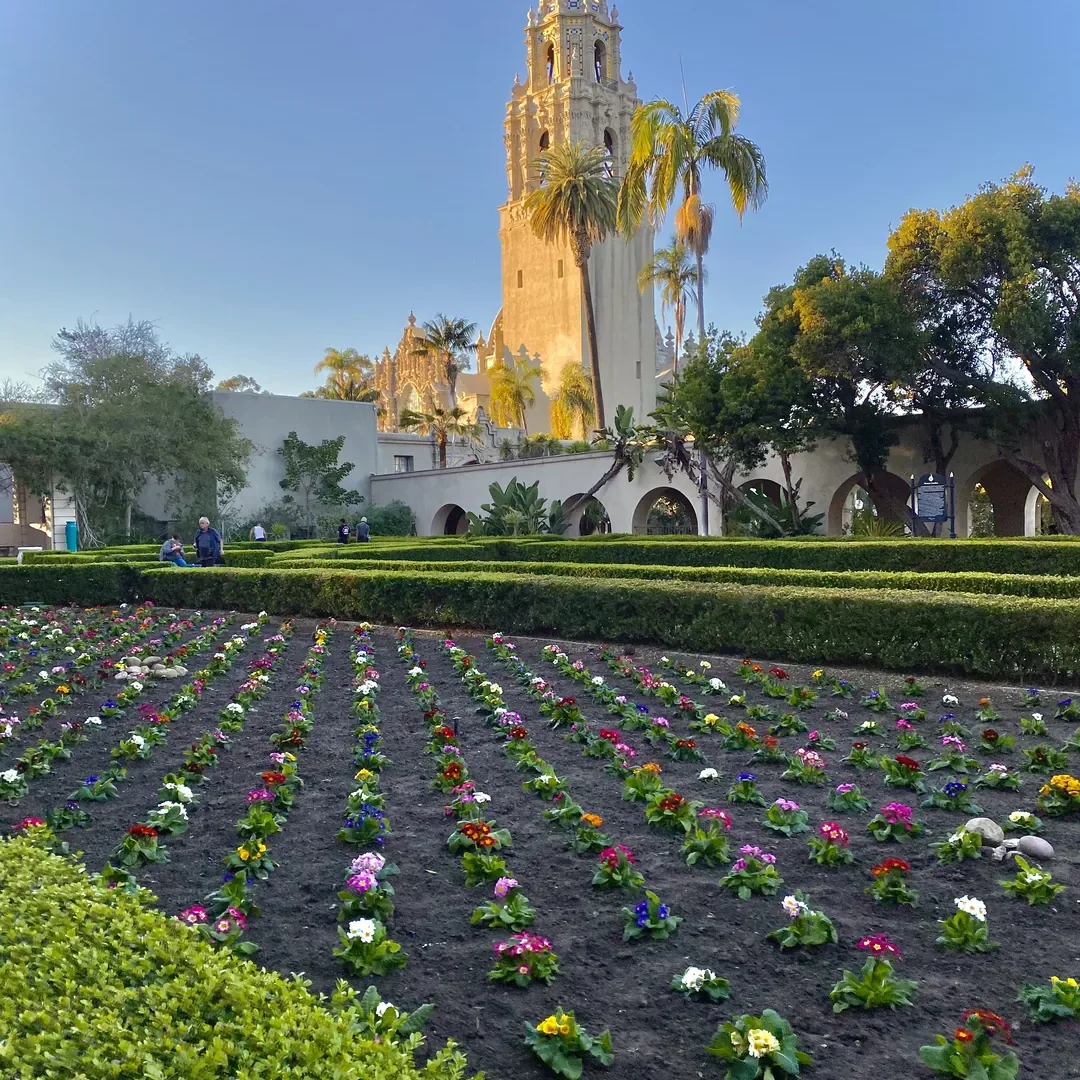
This approach also makes the park feel specific to San Diego. Pale plaster, deep arcades, planted courtyards, exposed canyon edges, and broad pedestrian spaces respond differently as marine cloud gives way to stronger light. Museum interiors are one part of that sequence, not an escape from it. The goal is to leave with a sense of how culture, architecture, and landform occupy the same public space.

San Diego: The Most Extensive City & Beach Tour
Led by a fun & knowledgeable guide, the 4.5 hour trip features a 2-hour scenic drive and 3 hours spent at various locations. Learn the history of San...

San Diego Zoo 1-Day Pass: Any Day Ticket
The San Diego Zoo is a 100-acre wildlife park and home to over 12,000 rare and endangered animals, representing more...

2-Hour GoCar Tour: Downtown San Diego and Old Town or Beaches
This 2-Hour GoCar Tour is your key to fun in San Diego! This self-drive tour takes you through the Downtown and Old...
Choose one cultural anchor
Start by deciding what deserves the most attention. It might be art, photography, natural history, aviation, local history, performance, or a particular garden. Consult the institution’s own website for current access, admission details, programs, and visitor policies. Do not assume that every museum follows the same calendar or that a building shown on a park map is open to the public.
Give the anchor enough time to stand on its own. Then identify one secondary indoor option nearby in case weather, capacity, or energy changes the plan. The second option should remain optional. A complete visit to one collection followed by a deliberate outdoor route usually reveals more than several abbreviated entries.
A useful three-part rhythm
- Look closely indoors. Begin with the collection, program, or building that motivated the visit.
- Cross the park outside. Use an arcade, plaza, garden, bridge, or canyon edge as a real chapter rather than a corridor.
- Choose a quiet conclusion. Add one smaller institution, garden, meal, or shaded pause if the group still has attention to give.
This rhythm is flexible. On a warm or crowded day, an indoor start may be more comfortable. Under soft marine-layer light, an outdoor architectural walk can come first. The responsible source for changing conditions is the park, institution, or public agency that manages the place.
Read the architecture in layers
Balboa Park is often described through Spanish Colonial Revival architecture associated with the 1915 and 1916 Panama-California Exposition. That description is useful but incomplete. Buildings in the park come from different periods and purposes, and not every ornamental facade is the same age or construction. The later 1935 and 1936 California Pacific International Exposition added another layer to the park’s built history.
Instead of treating the architecture as one picturesque backdrop, look for relationships. Notice how an arcade controls shade and frames a view, how a courtyard slows movement, and how a formal axis meets planting or topography. Ornament, plaster, tile, wood, and stone create close details, while towers and long facades establish larger orientation points.
The most useful view may be the threshold between a gallery and the park, where a shaded opening frames gardens, people, and changing light.
Keep public space in the picture
People use Balboa Park for many reasons that have nothing to do with a visitor itinerary. Walkers, performers, families, gardeners, staff, volunteers, and participants in community events share the space. Photographing architecture is easy, but a respectful visit also notices how public life moves through it. Avoid blocking arcades or treating working and gathering spaces as private photo sets.
Let gardens and canyons change the pace
The park’s planted spaces range in scale and character, and the canyon setting interrupts the formal impression of the central mesa. Choose one garden or open-space passage that genuinely connects the day’s stops. A route through planting, shade, and topography gives the eyes a rest after dense exhibits and prevents the visit from becoming a series of similar interiors.
Not every path offers the same surface, grade, shade, or ease of navigation. Check the park’s current accessibility information and map, especially when the group includes a wheelchair user, a stroller, limited walking endurance, or sensitivity to heat. A route that looks short can include elevation changes or indirect crossings.
- Mark the exact entrance for the primary institution.
- Identify restrooms, seating, shade, and a realistic food stop before setting out.
- Choose one outdoor connection instead of wandering between distant destinations.
- Keep a shorter accessible alternative ready if weather or energy changes.
- Confirm parking or transit details through current official information.

USS Midway Museum Admission: Valid Any Date
Experience life at sea without leaving port by visiting the USS Midway Museum, San Diego's number 1 rated visitor at...

San Diego Zoo Safari Park 1-Day Pass: Any Day Ticket
The San Diego Zoo Safari Park, an 1,800-acre wildlife park, is home to more than 3,600 animals representing over 300...

Taste of Little Italy in San Diego
During this tour, you will learn about the rich history, culture, and architecture of the area from one of our highl...
Add one nearby neighborhood
Balboa Park can anchor a complete day, but a nearby neighborhood can provide a useful change of scale. North Park offers a denser commercial setting, while South Park supports a smaller street sequence. Choose one based on the meal, shop, or evening atmosphere the group wants. Trying to cover both after a substantial park visit adds movement without necessarily adding understanding.
Do not judge the connection from a simple map pin. Park entrances, canyon edges, major roads, crossings, and elevation affect walking and cycling routes. Check an actual pedestrian, transit, or bicycle plan and match it to the least mobile or least confident traveler in the group.
For a broader comparison of potential bases and neighborhood rhythms, read How to Choose a San Diego Neighborhood Base. If architecture and public culture are the main interests, continue through Arts & Culture. Travelers who would rather have a guide provide historical context can compare provider options on Tours.
A final unhurried checklist
A good Balboa Park plan can fit in one sentence: one cultural anchor, one outdoor line, and one optional conclusion. Before leaving, confirm the primary institution’s current information, the route between stops, and the group’s transport home. Bring water, protect against sun, and leave enough unscheduled time to notice a courtyard, a performance, or a canyon view without turning it into another appointment.

Private Sailing Charter on San Diego Bay
San Diego Bay is one of the most beautiful bodies of water on the West Coast of the United States. Why not enjoy thi...

LEGOLAND® California Theme Park Admission Tickets
** SPECIAL OFFER ** Book a Resort Hopper ticket and get the 2nd day FREE! Experience a day of imagination and fun...

Gaslamp Quarter Food & Drink Tour: Brothels, Bites & Booze
Explore San Diego’s infamous Gaslamp Quarter through food, cocktails, and scandalous stories. This small-group wal...
San Diego: The Most Extensive City & Beach Tour
Led by a fun & knowledgeable guide, the 4.5 hour trip features a 2-hour scenic drive and 3 hours spent at various locations. Learn the history of San...
San Diego Zoo 1-Day Pass: Any Day Ticket
The San Diego Zoo is a 100-acre wildlife park and home to over 12,000 rare and endangered animals, representing more...
2-Hour GoCar Tour: Downtown San Diego and Old Town or Beaches
This 2-Hour GoCar Tour is your key to fun in San Diego! This self-drive tour takes you through the Downtown and Old...

San Diego: 3 Hour Whale Watch Cruise with Legacy Whale Watch
You’ll experience one of the best San Diego whale watching tours aboard the spacious 80-foot Legacy, departing fro...
The park does not need to be completed. Its value lies in the relationship between collection and city, formal architecture and open land, interior concentration and public movement. Let one visit reveal that structure, then return to the Guides when you are ready to build another San Diego day.
Still comparing Balboa Park?
Ask for tour ideas, hotel suggestions, or a simple trip plan that combines both.