San Diego’s food culture makes the most sense in neighborhoods, not in a single list of signature dishes. The city’s kitchens draw from the Pacific, farms and markets, Mexican and Mexican American traditions, cross-border exchange with Baja California, long-established immigrant communities, and contemporary restaurant work. Those influences overlap, but they are not interchangeable.
A useful food day therefore begins with place and context. Choose one district, learn what communities and businesses shape it, and build a short sequence that leaves time to look beyond the plate. A meal can reveal how the coast becomes market, kitchen, street, and shared table without reducing the city to taco graphics or sunset dining.

Taste of Little Italy in San Diego
During this tour, you will learn about the rich history, culture, and architecture of the area from one of our highly trained guides throughout the wa...

San Diego Gaslamp Food Tour with 6 Modern Californian Tastings
On your Secret Food Tours: San Diego, you'll walk into Gaslamp while enjoying dishes with influences from Mexico to...

Gaslamp Quarter Food & Drink Tour: Brothels, Bites & Booze
Explore San Diego’s infamous Gaslamp Quarter through food, cocktails, and scandalous stories. This small-group wal...
Understand Cali-Baja without turning it into a slogan
Cali-Baja cooking describes an active culinary exchange across the California and Baja California region. Seafood, produce, citrus, chiles, grilling, fermentation, wine, beer, and many other techniques may appear within that exchange, but no single dish represents it. Chefs, cooks, farmers, fishers, vendors, and families develop distinct practices in specific places.
Avoid describing every Mexican-influenced meal as fusion or every taco as a new discovery. Look for the restaurant’s own account of its cooking, the people involved, and the region it references. If a menu names a fishery, farm, neighborhood, or Baja location, treat that information as something to verify and understand rather than a decorative claim.
Questions that add context
- Who describes the cuisine, and how do they identify their own work?
- Does the menu connect to a particular region, technique, ingredient, or family tradition?
- Is the business part of a longer neighborhood history?
- Are seasonal or sourcing claims explained by the business?
- Can the meal fit a coherent day without crossing the city only for a viral recommendation?
Choose one neighborhood food lens
San Diego has many worthy food districts, and no short guide can represent them all. The following lenses are practical starting points. They describe a way to plan, not a ranking of neighborhoods or businesses.
| Area | Useful lens | Pair with | Avoid |
|---|---|---|---|
| Convoy District | Pan-Asian restaurants, markets, bakeries, cafes, and concentrated evening activity | A market stop, one main meal, and a dessert or tea nearby | Calling many distinct cuisines simply “Asian food” |
| Barrio Logan | Mexican American community history, local businesses, art, and food | Chicano Park in context and a community cultural source | Treating murals and tacos as a photo checklist |
| City Heights | Restaurants and markets connected to many immigrant and refugee communities | A focused commercial corridor and careful advance research | Using “hidden gem” language that erases established communities |
| Little Italy | Italian American history, contemporary dining, public space, and market culture | A bay or central-city walk | Assuming every business expresses the same tradition |
| Coastal neighborhoods | Seafood, casual counters, cafes, and different relationships to beach and harbor | A shoreline or bay route in the same area | Assuming an ocean view proves local sourcing or quality |
Convoy: plan for specificity
The Convoy District is known for a dense collection of restaurants and markets connected to Chinese, Japanese, Korean, Vietnamese, Filipino, Taiwanese, and other culinary traditions. Those labels name different histories and cuisines. Read menus and business descriptions with enough care to avoid flattening them into one category.
Choose one main meal and one nearby secondary stop. The district’s low commercial form and busy roads mean that a short map distance does not always create a comfortable pedestrian route. Mark crossings and parking or transit before setting out. If a business is important to the plan, verify its current information directly.
Barrio Logan: food belongs with community history
In Barrio Logan, food sits within a Mexican American neighborhood shaped by industry, infrastructure, community action, art, and cultural institutions. Chicano Park is a National Historic Landmark tied to the Chicano Civil Rights Movement and community effort to secure public space. Its murals are authored artworks, not a reusable background pattern.
Build the visit around respect and context. Read about the park from community and public-history sources, visit cultural organizations when public access is available, and choose a locally rooted meal. Avoid presenting the neighborhood as a newly discovered dining zone. Residents and businesses made it meaningful long before it appeared on a visitor’s list.

San Diego Zoo 1-Day Pass: Any Day Ticket
The San Diego Zoo is a 100-acre wildlife park and home to over 12,000 rare and endangered animals, representing more...

San Diego Zoo Safari Park 1-Day Pass: Any Day Ticket
The San Diego Zoo Safari Park, an 1,800-acre wildlife park, is home to more than 3,600 animals representing over 300...

San Diego Bay Jet Boat Ride
A boat ride on San Diego Bay is lovely, but an exhilarating ride on a dual-engine jet boat is an experience to remem...
City Heights: research before arriving
City Heights reflects communities with roots in many parts of Africa, Asia, Latin America, and the Middle East. Restaurants, bakeries, and markets can offer a focused way to learn, but the neighborhood should not be marketed as an anonymous tour of the world. Select a specific cuisine or corridor, read locally produced reporting, and identify businesses by the language they use for themselves.
Travel with the same courtesy you would bring to any residential and working district. Ask before photographing staff or customers, make room for regular business, and do not expect a proprietor to provide an impromptu cultural lesson. Buying a meal does not purchase access to someone’s personal history.
Little Italy and the central bay
Little Italy connects Italian American history with contemporary restaurants, cafes, public spaces, and market activity. It is well placed for a central-city day, but its popularity can encourage an overfilled crawl. One meal, one specialist shop or market visit when operating, and a selective bay walk create a more readable sequence.
Distinguish a business’s own story from the neighborhood label. Some places work directly within Italian regional traditions, some interpret them, and others simply operate in the district. Current menus, reservations, and event effects should be checked with the business rather than copied from an older guide.
Use the coast as context, not proof
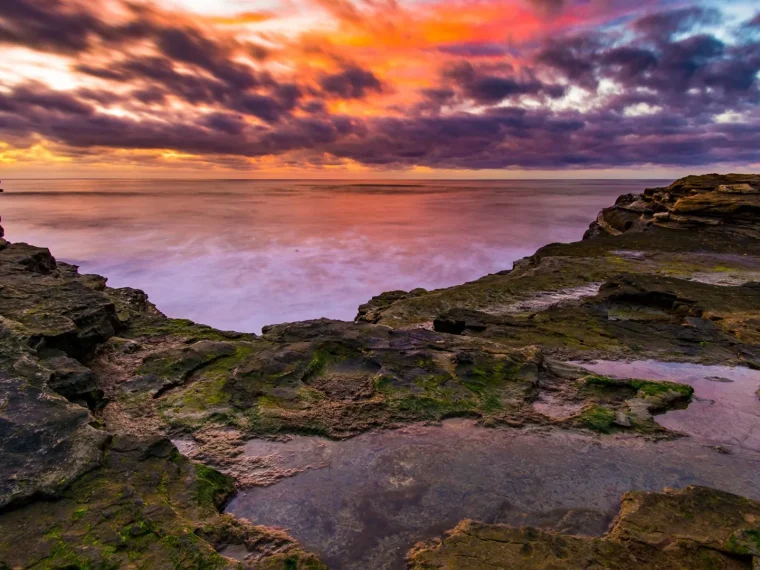
San Diego’s ocean and working bay make seafood an important part of many menus, but a waterfront address does not prove where an ingredient came from or how it was caught. Look for sourcing information the restaurant or supplier can support. Seasonal availability and species names can change, so avoid building a day around an unsupported assumption.
A coastal food plan works best when the meal belongs to the same geography as the walk. Pair a Point Loma or harbor chapter with a nearby stop, or keep a northern-coast day around La Jolla and Torrey Pines. Crossing the city for several famous dishes usually produces less context and more traffic.
Build a respectful food day
- Select one neighborhood and one culinary lens.
- Verify that the businesses are operating and can meet dietary or access needs.
- Choose one primary meal and one optional nearby stop.
- Add a public-space, market, cultural, or landscape chapter that explains the neighborhood.
- Keep a backup in the same area, not on the other side of San Diego.

LEGOLAND® California Theme Park Admission Tickets
** SPECIAL OFFER ** Book a Resort Hopper ticket and get the 2nd day FREE! Experience a day of imagination and fun...

2-Hour Private Sailing Experience in San Diego Bay
Our unique sail displays a peace sign because that is exactly what we share with our customers, peace. Peace is not...
San Diego Gaslamp Food Tour with 6 Modern Californian Tastings
On your Secret Food Tours: San Diego, you'll walk into Gaslamp while enjoying dishes with influences from Mexico to...
San Diego Gaslamp Food Tour with 6 Modern Californian Tastings
On your Secret Food Tours: San Diego, you'll walk into Gaslamp while enjoying dishes with influences from Mexico to the Far East. Your guide will tak...
Gaslamp Quarter Food & Drink Tour: Brothels, Bites & Booze
Explore San Diego’s infamous Gaslamp Quarter through food, cocktails, and scandalous stories. This small-group wal...
Taste of Little Italy in San Diego
During this tour, you will learn about the rich history, culture, and architecture of the area from one of our highl...
For more context, browse Food & Drink, read How to Explore Balboa Park Without Rushing, or compare broader routes in Guides. A good meal plan should make the city easier to understand, not reduce it to a collection of dishes.
San Diego Gaslamp Food Tour with 6 Modern Californian Tastings
On your Secret Food Tours: San Diego, you'll walk into Gaslamp while enjoying dishes with influences from Mexico to the Far East. Your guide will tak...
Gaslamp Quarter Food & Drink Tour: Brothels, Bites & Booze
Explore San Diego’s infamous Gaslamp Quarter through food, cocktails, and scandalous stories. This small-group wal...
Taste of Little Italy in San Diego
During this tour, you will learn about the rich history, culture, and architecture of the area from one of our highl...

2-Hour GoCar Tour: Downtown San Diego and Old Town or Beaches
This 2-Hour GoCar Tour is your key to fun in San Diego! This self-drive tour takes you through the Downtown and Old...